Theodore Roosevelt National Park
I'll be honest: North Dakota has never featured prominently in my travel plans. But I have an ambition to visit every national park in the United States, and that means occasionally pointing the car, or in this case, the plane, toward somewhere I might not otherwise consider. Theodore Roosevelt National Park is exactly that kind of destination.
It kept appearing on lists of underrated and uncrowded parks: much of the allure of Yellowstone, the argument went, without the traffic jams and the tour buses. The wildlife opportunities were described as outstanding. And it was genuinely different from anywhere I'd been before. That combination was enough.
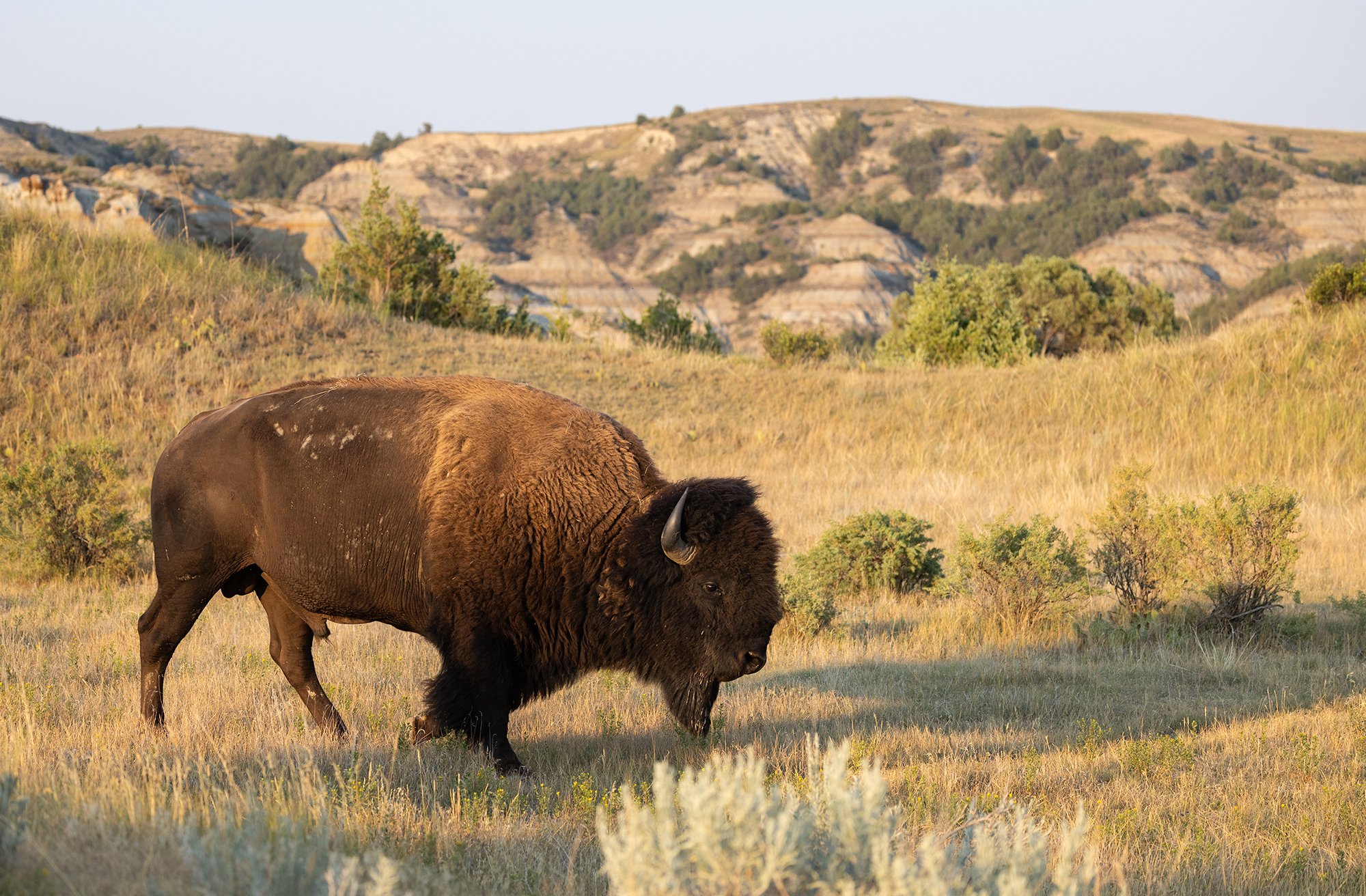
The park lies within the Northern Great Plains, protecting a striking badlands landscape shaped by thousands of years of erosion. The terrain consists of colorful sedimentary rock layers, buttes, mesas, grasslands, and rugged ravines carved by the Little Missouri River. It consists of three sections: the North Unit, the South Unit, and the Elkhorn Ranch, where Roosevelt himself lived during his years in the Dakota Territory. Roosevelt first came to the area in 1883 to hunt bison, a skinny, young, spectacled dude from New York, and the rugged landscape and strenuous life he found here would help shape a conservation policy we still benefit from today. It is the only national park named directly after a person.
Getting there required some planning. The park isn't the kind of place you pass through on the way to somewhere else; it's a destination in its own right, which meant a dedicated trip and the logistical reality of traveling with a young child. We flew into Bismarck, the closest major airport, navigating connections rather than a direct flight. North Dakota weather, I'd read, swings between extremes, and we landed squarely in the heat. Many days pushed past 100 degrees Fahrenheit. We tried to be smart about it: build in kid-friendly stops along the way, plan downtime at the hotel, let the pool do some of the parenting in the afternoons.
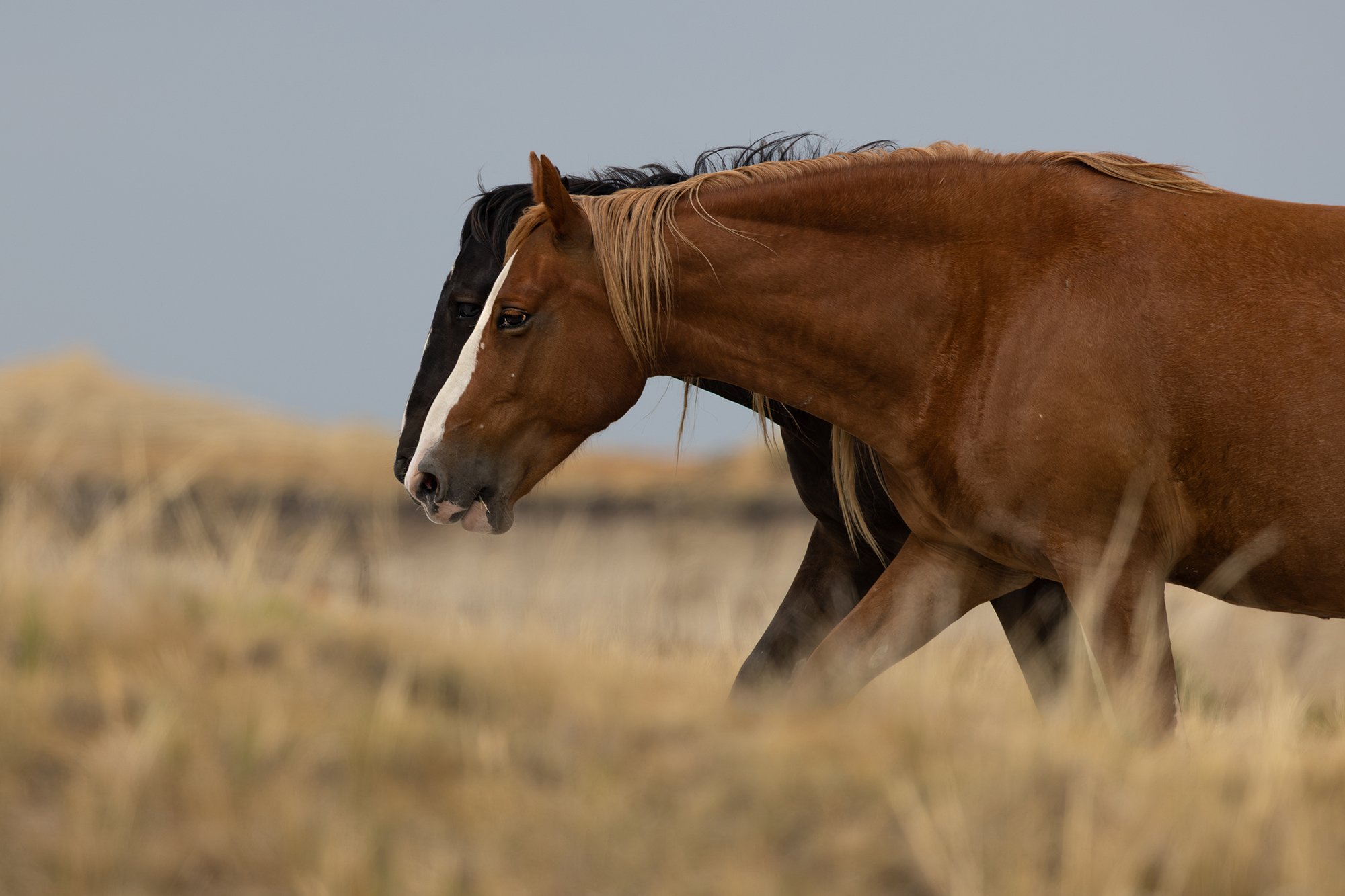
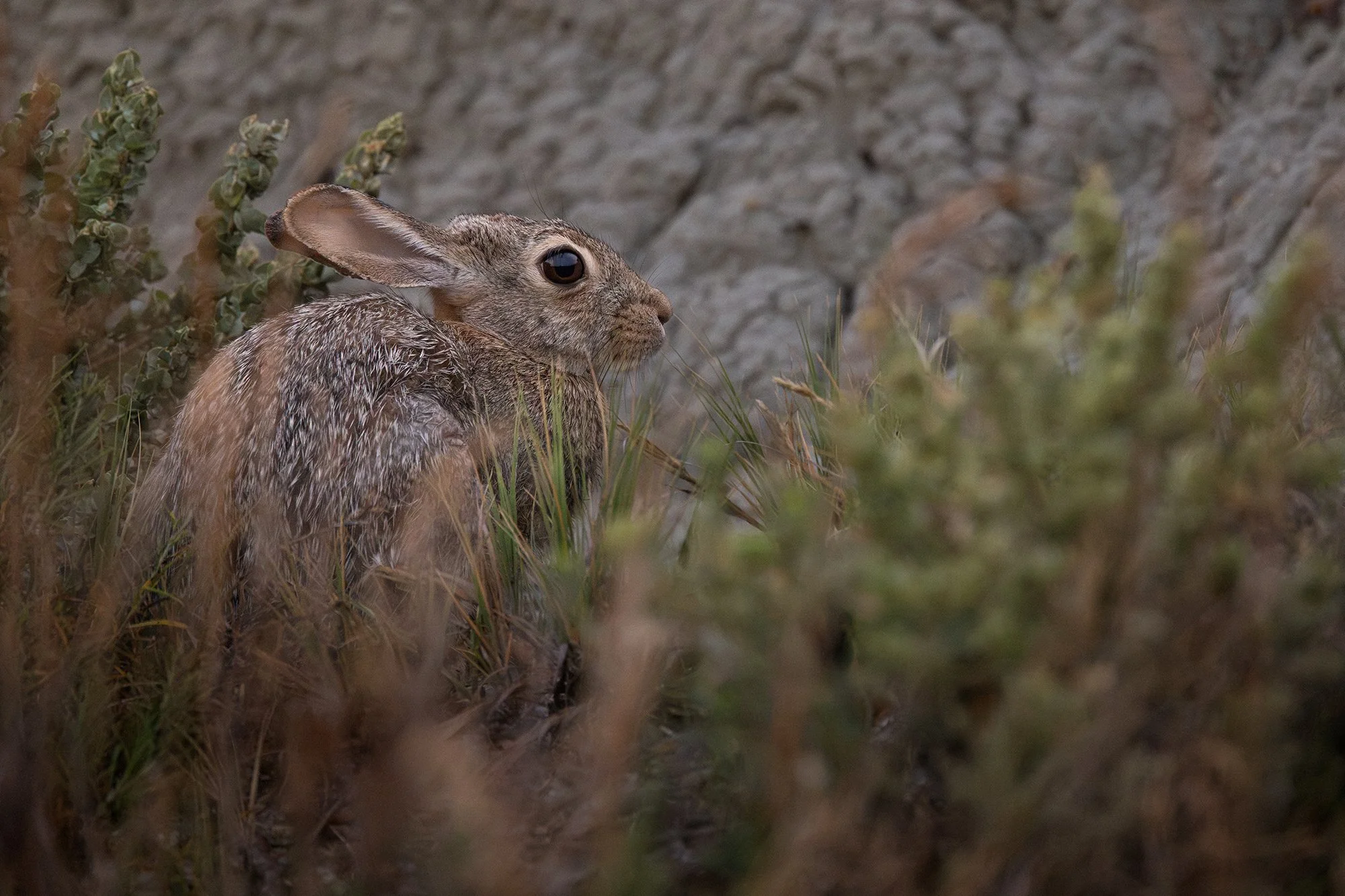
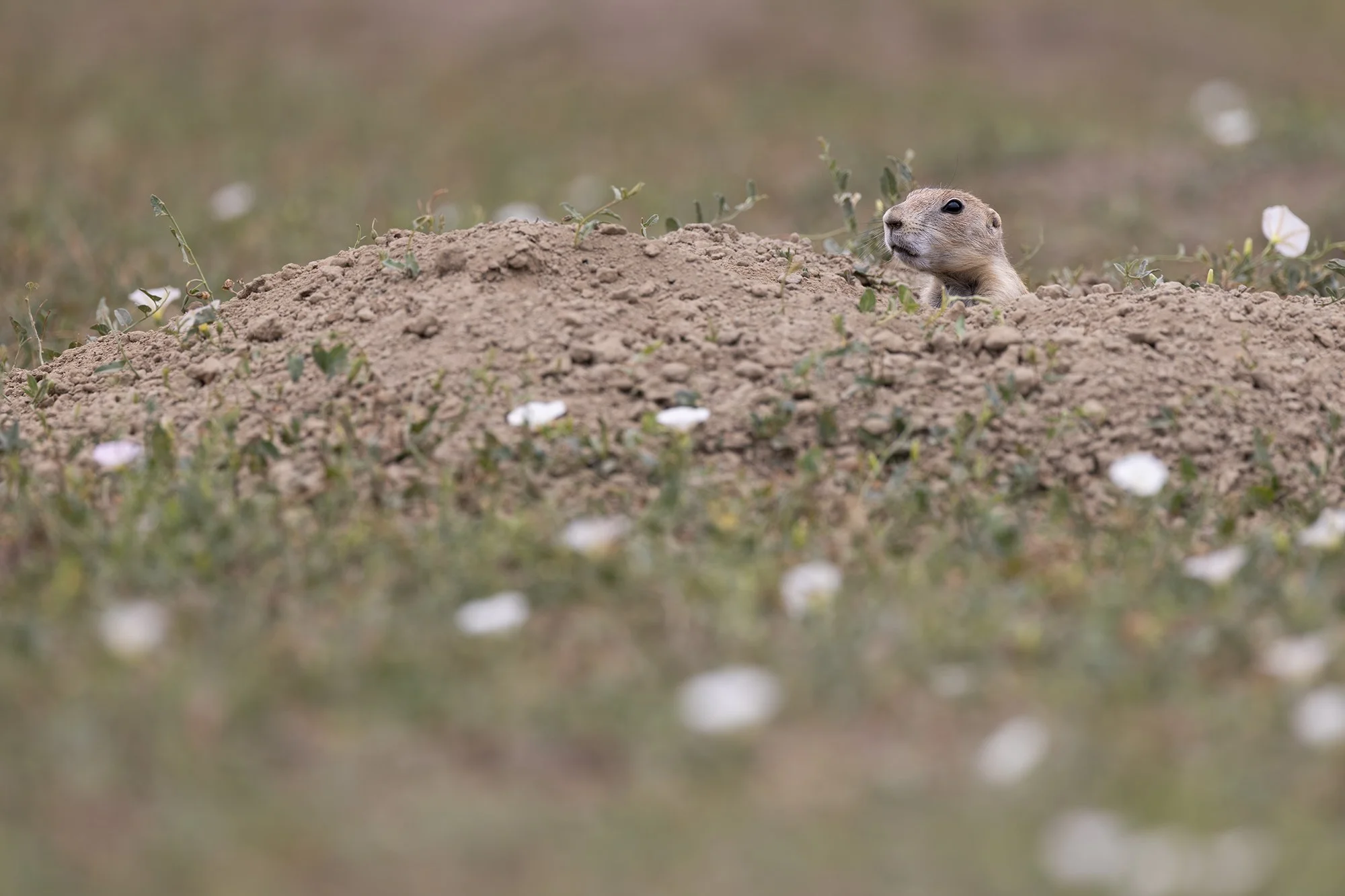
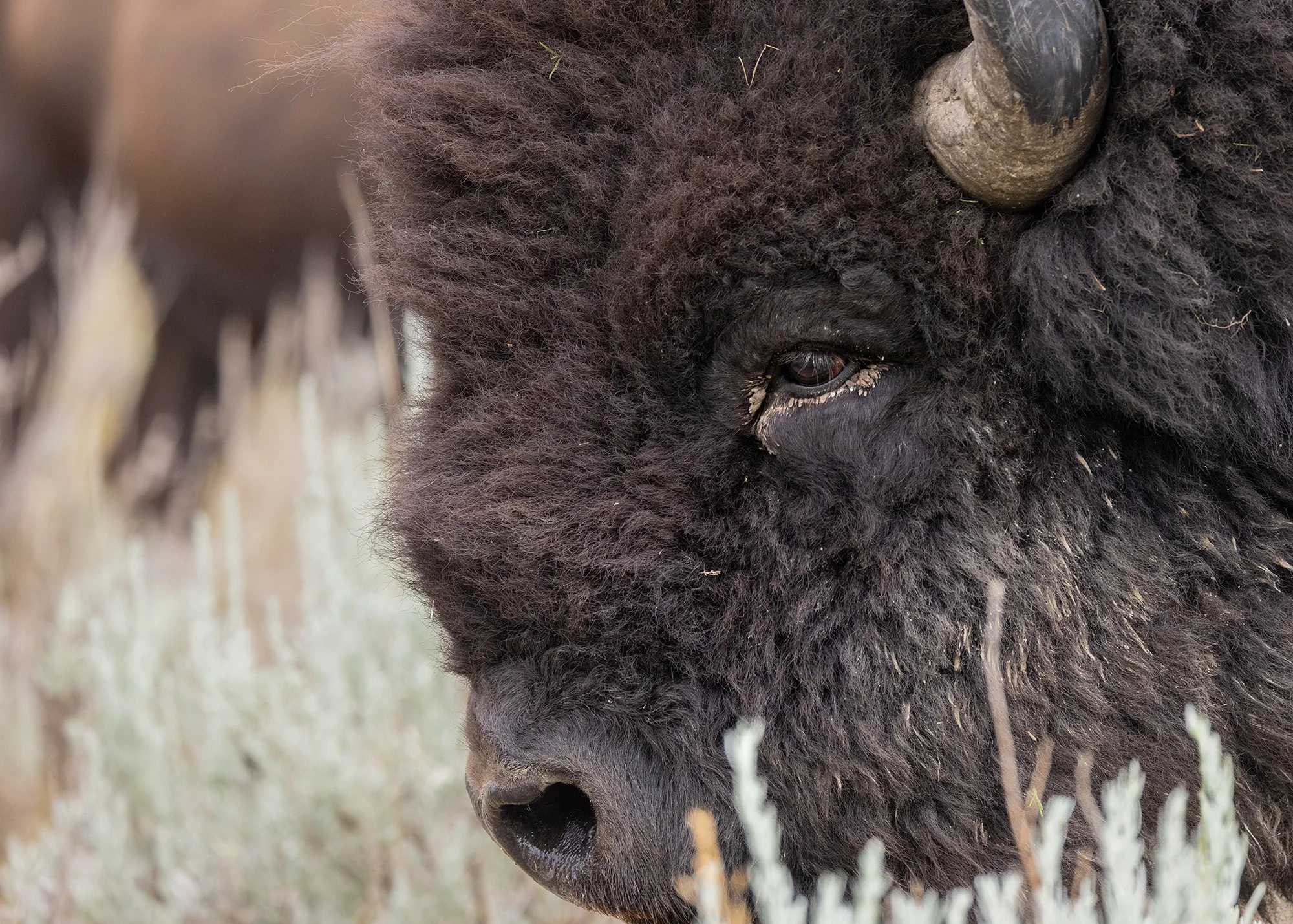
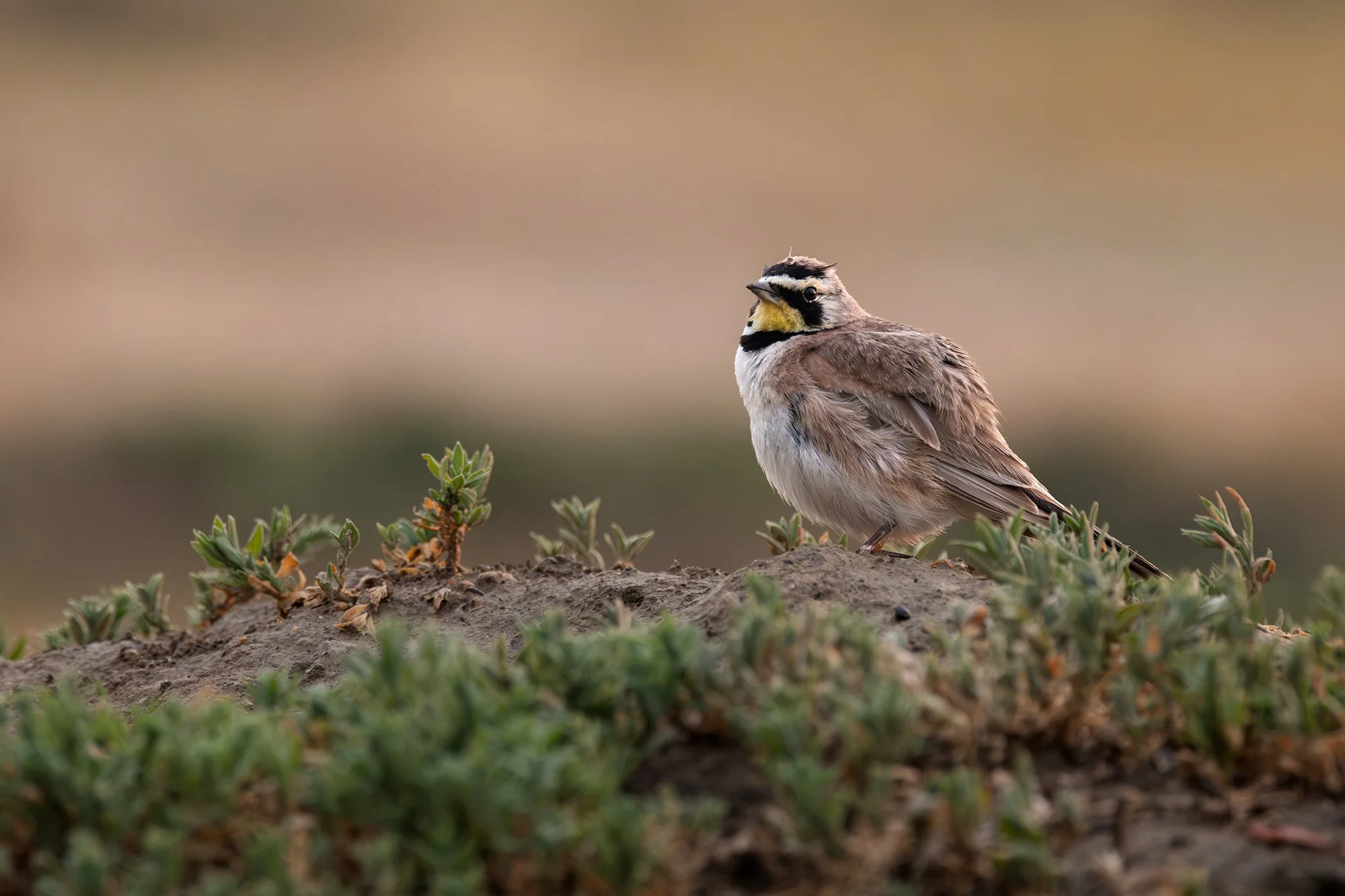
For me, though, the trip was largely about wildlife. I knew the park had it in abundance, but I was focused on three species in particular: plains bison (Bison bison), wild horses (Equus ferus), and black-tailed prairie dogs (Cynomys ludovicianus). I set myself a challenge of photographing each one across a range of styles — environmental, portrait, detail, and behavior — and I'll go deeper on each of those in the posts that follow. Beyond those three, the park offered plenty of pleasant surprises: horned larks (Eremophila alpestris) picking through the dry grass, brown-belted bumblebees (Bombus griseocollis) working the wildflowers, desert cottontails (Sylvilagus audubonii) freezing in the shade of the scrub. Even without extensive hiking in the heat, the photography was more productive than I'd dared hope.
The wild horses deserve a mention of their own here, if briefly. Their origins are uncertain, but historians suspect the original group was a mix of horses from Native American traders and free-range horses maintained on the Badlands for ranching. For many years, the National Park Service attempted to remove them entirely. That policy was reversed in 1970, when the horse was recognized as part of the historical setting. The park now retains a herd of 70 to 110 animals so that visitors can experience the badlands as it appeared during the open range ranching era of Theodore Roosevelt's time. Seeing them move across the plateaus in the early morning light, before the heat settled in, was one of the week's quieter highlights.
As expected, the best photography happened at the edges of the day. Mornings and evenings, when the temperature became something close to bearable, the animals were more active and the light more cooperative. Midday was for retreating to the hotel.
Would we return any time soon? I very much doubt it. But was it worth the effort? Undoubtedly. Bismarck itself held little appeal as a city, but Fort Abraham Lincoln State Park and Knife River Indian Villages National Historic Site were well worth visiting en route, and the brand new Theodore Roosevelt Presidential Library in Medora was genuinely impressive. And while I could have kept photographing wildlife for much longer, we had exhausted the family activity options in under a week, which felt like about the right amount of time.
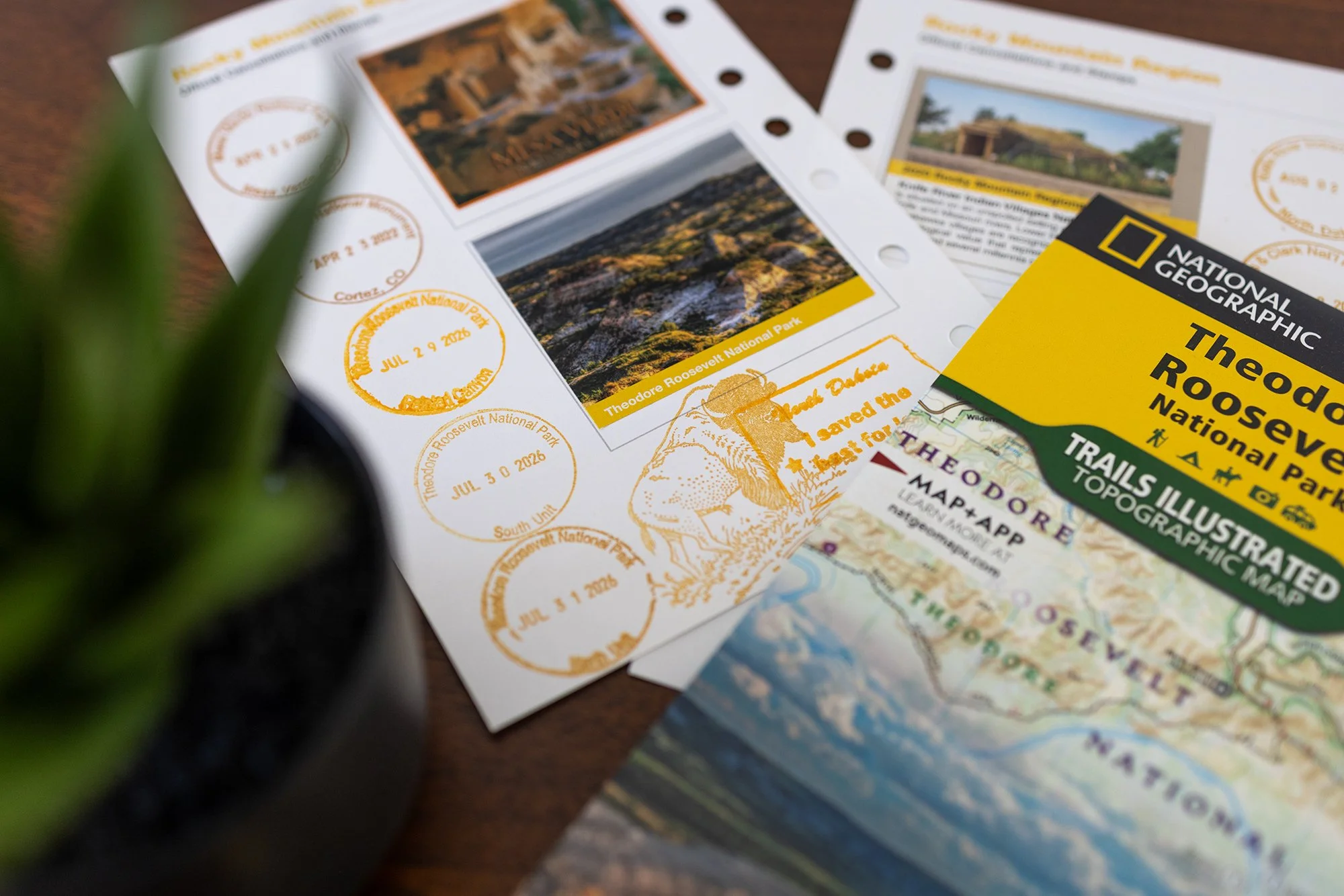
One more stamp in the parks passport. On to the next one.