Over the Christmas break, I set an intention to photograph sandhill cranes (Antigone canadensis) in the Delta. They’re fascinating creatures, among the oldest bird species still living today. Fossil evidence places their lineage at over two million years old. I find that number hard to truly contextualize, but it means they’ve survived multiple Ice Ages, they’re far older than modern humans, and perhaps most strikingly, they predate many of the landscapes they now inhabit. And while I always enjoy photographing great blue herons (Ardea herodias) with their similarly prehistoric silhouettes, sandhill cranes offer something different with their red crown patches and mass congregations.
Sandhill cranes are seasonal visitors to California, typically arriving in late fall and leaving again in spring. Naturally, winter is the best time to see them in significant numbers. During these months, they amass in wetlands, flooded agricultural fields, and wildlife refuges, particularly throughout the Central Valley. I’d made the trip to see them before, but it had been a couple of years, and I was keen to explore photographic opportunities again.
In my experience, though, photographing these birds comes with real challenges. First, it’s not an insignificant drive from where I live. And even once you reach areas where cranes are present, they can be difficult to work with compositionally. They’re usually spread across fields or flooded areas far from the road. Because this is active agricultural land, you can’t wander freely in search of a better angle or closer perspective. You’re limited to whatever safe vantage point you can find along the roadside. Second, there’s little point in trying to photograph them during the middle of the day. The light is harsh, and heat shimmer introduces softness and distortion. If you want anything worthwhile, you have to wait for golden hour, and that usually means a long drive home in the dark.
With all of this in mind, I nearly talked myself out of going. I had one spare day, and several easier options closer to home. But then I reminded myself that opportunities like this are finite, and that I needed to make the most of them. So I went.
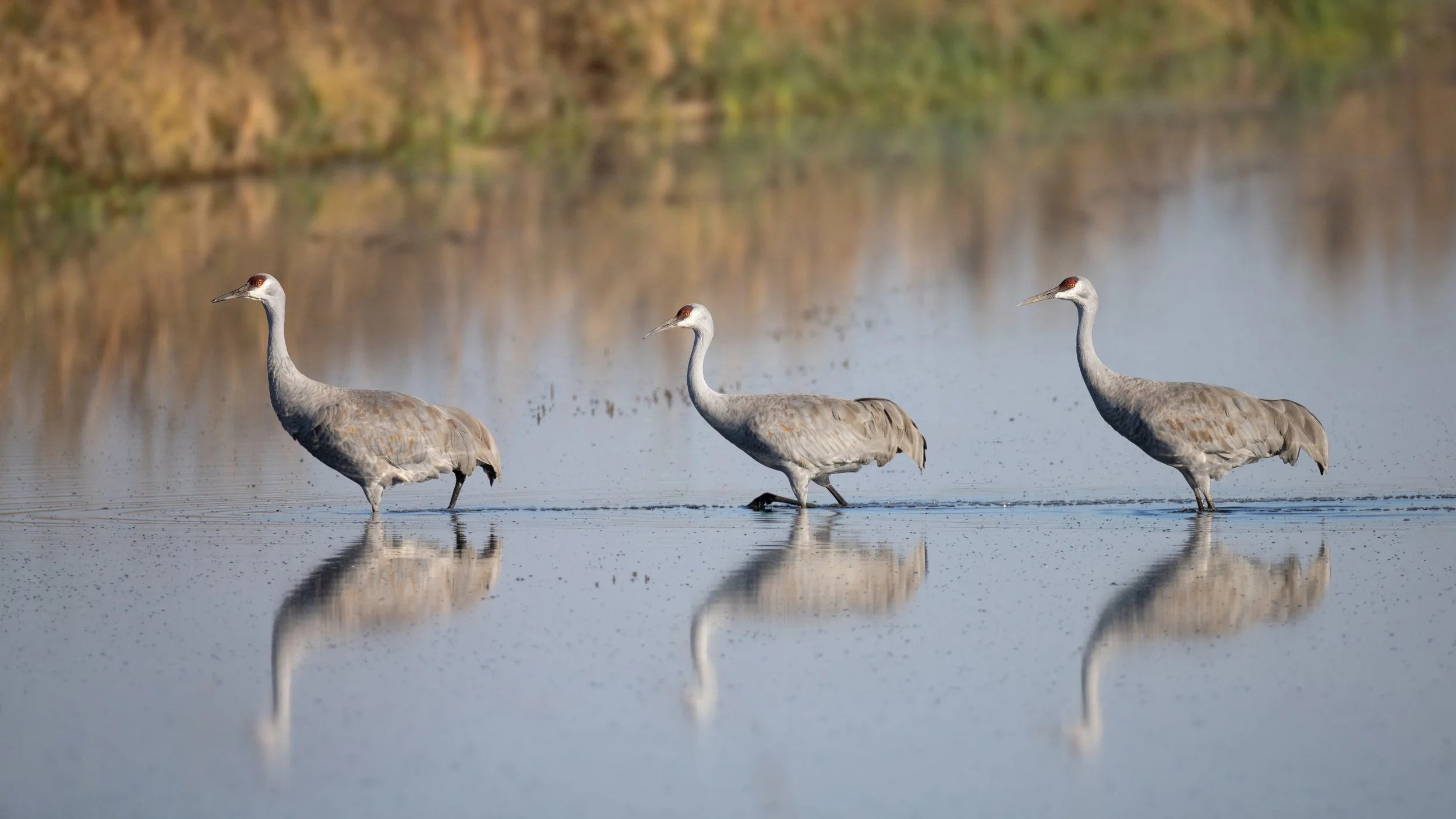
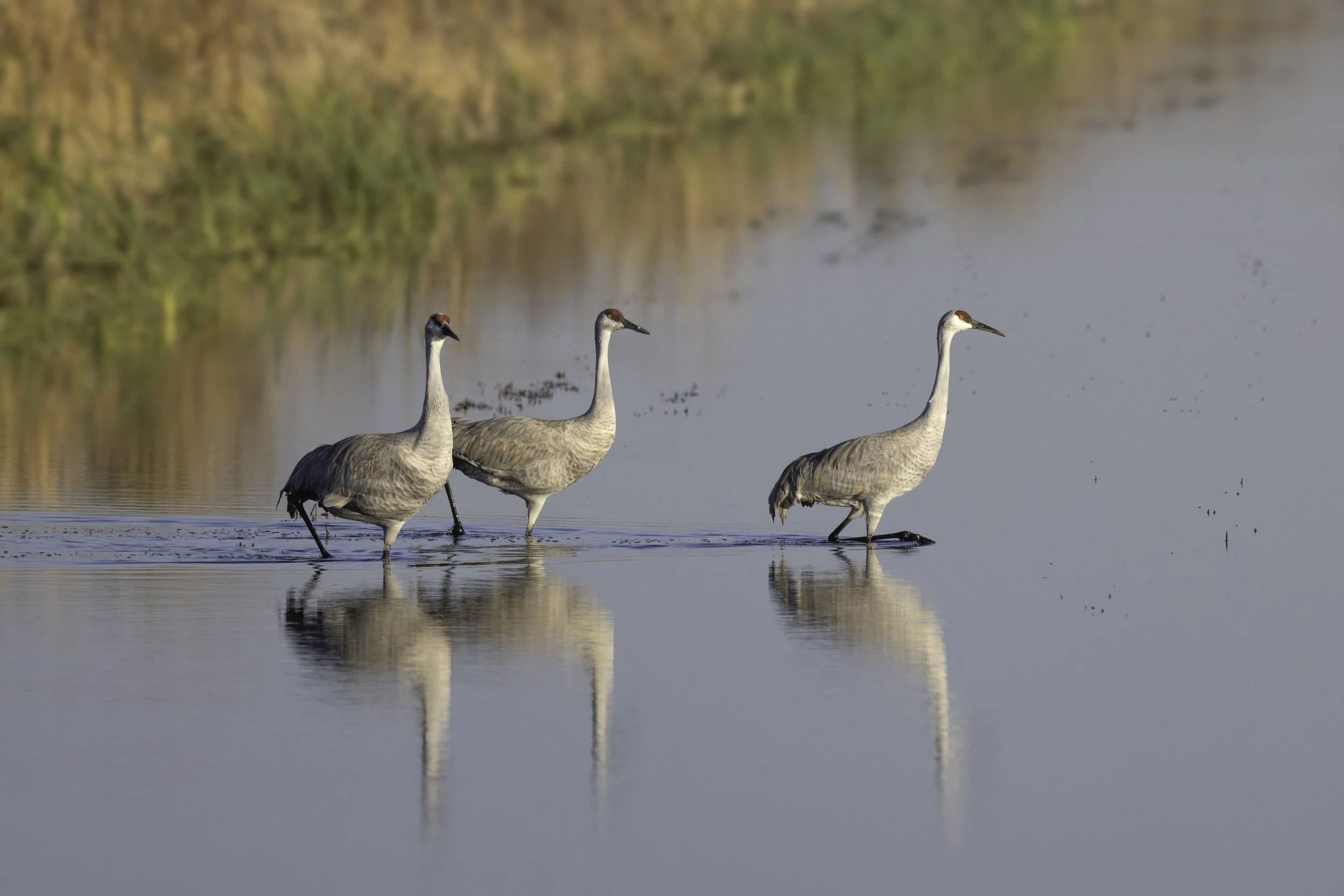
When I arrived, my fears seemed justified. There were only a few cranes close enough to the road to work with, the background was uninspiring, the light was harsh, and atmospheric distortion was already taking its toll. I started to think I was wasting my time. Still, I stayed patient and kept searching. Eventually, I found three cranes in a flooded field. Conditions were far from ideal, but I could see the potential. If the light cooperated, I’d be able to isolate them against the water and capture their reflections. Periodically, the cranes wandered back into the reeds, but instead of moving on in search of something better, I decided to wait. They felt worth it.
As golden hour arrived, I had the spot to myself. The cranes obliged, slowly walking back out into the water. The perspective was still limited, but it was enough. I enjoyed forty-five minutes of serene photography.
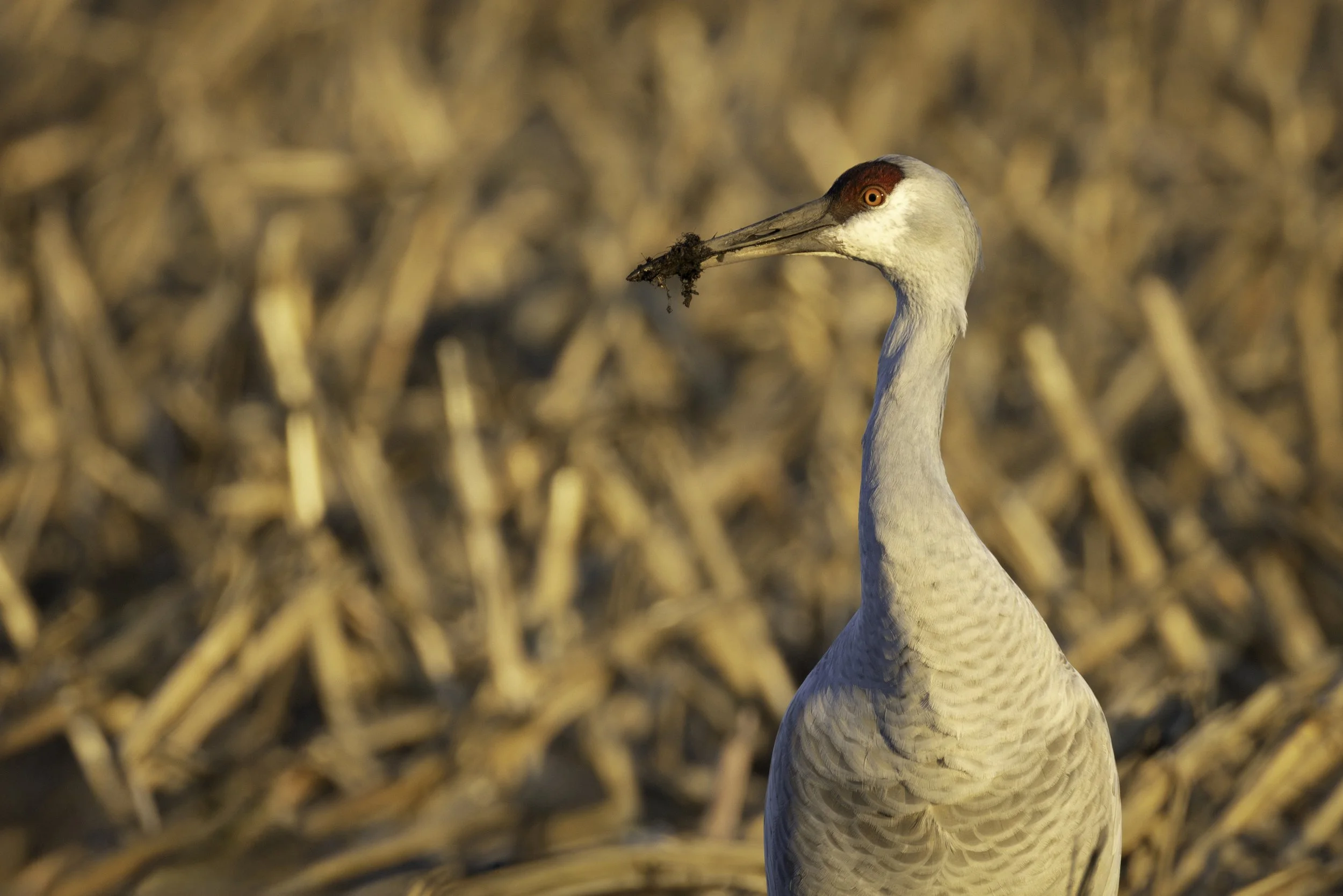
Eventually, I decided it was time to head home. I’d already committed to leaving and was nearly out of the area when I spotted a few more cranes as close to the road as I’d seen all day. The light was warm and intense. I couldn’t quite believe my luck—not only was I handed a last-minute opportunity to photograph them, but the situation was completely different from earlier, allowing me to add some much-needed variety.
It’s hardly an original takeaway for a photographer to say “don’t get lazy, seize the moment,” but heading into a new year, it felt like a timely reminder.